
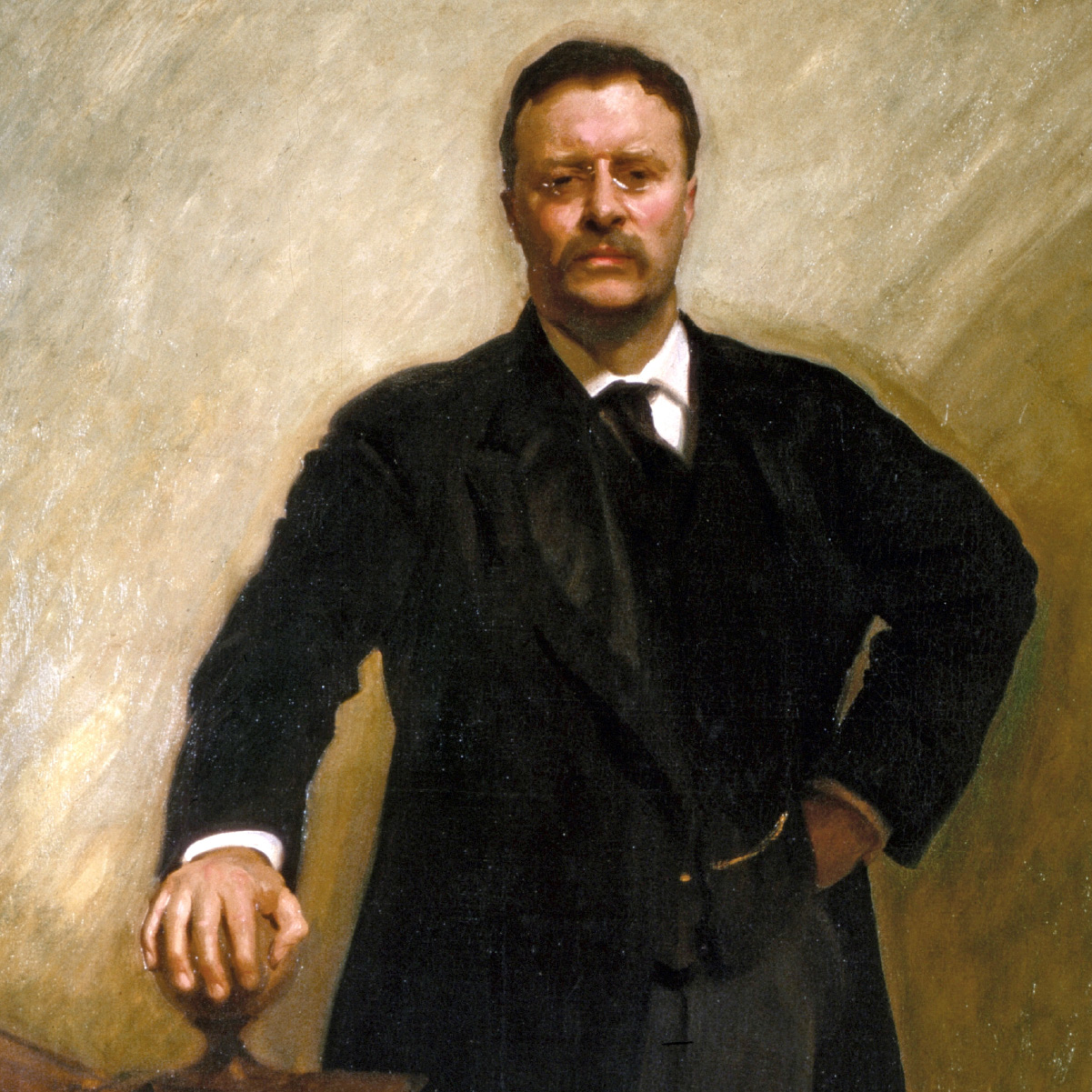
We’re officially kicking off The Mighty Things podcast by discussing the life of Theodore Roosevelt. Why start here? Because the name “Mighty Things” was inspired by a speech he gave known as The Strenuous Life:
“Far better is it to dare mighty things, to win glorious triumphs even though checkered by failure, than to take rank with those poor spirits who neither enjoy much nor suffer much because they live in the great twilight that knows neither victory nor defeat.”
This statement captures the spirit that drove Theodore’s amazing life, and it is directly related to our mission as an organization. So let’s dive in:
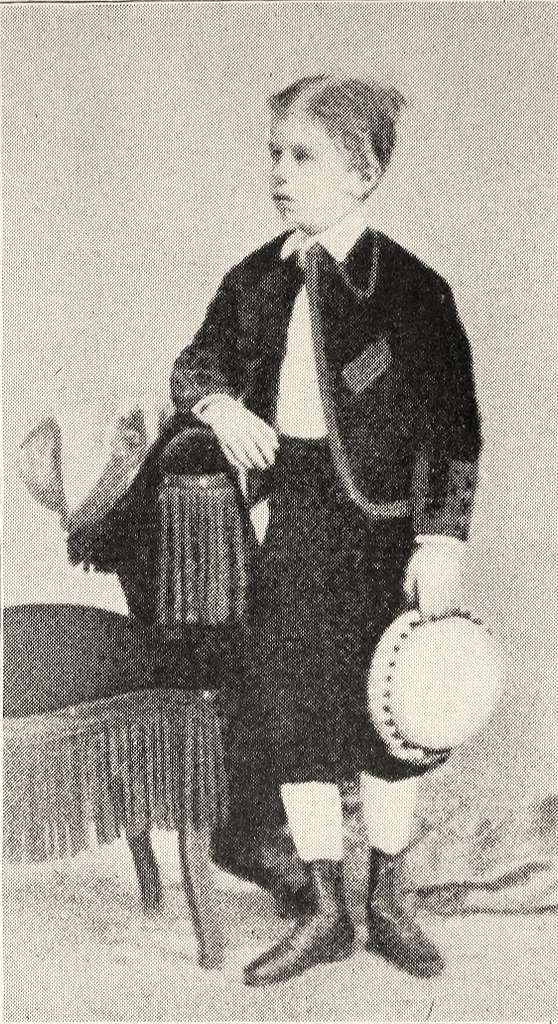
Born in 1858 into a wealthy New York family, Roosevelt spent most of his childhood being sick. Severe asthma kept him indoors and away from other kids for long stretches at a time. His saving grace was books. He devoured anything he could get his hands on, particularly natural history. He also kept frogs in his hat, which is unrelated but worth knowing.
Around age 13, his father sat him down and told him plainly: he had a good mind but a failing body, and one without the other wouldn’t get him far. Roosevelt decided to do something about that. He spent the rest of his life pushing himself physically as well as mentally.
As a teen, he made his way into Harvard, continued collecting specimens, started writing The Naval War of 1812, and was generally described by classmates as brilliant, intense, and a lot. He graduated, won a seat in the New York State Assembly as the youngest member, and started making enemies of the political machine immediately.
And then Valentine’s Day, 1884 happened.
On the same day his daughter Alice was born, Roosevelt’s wife and his mother both died. Within hours of each other. He drew an X in his journal and wrote:
“The light has gone out of my life.”
He was 25. Soon after, seeking a fresh start, he went west.
He’d hunted in the Dakota Territory before and fallen in love with the place. He put roughly half his remaining fortune into a cattle ranch and became, for all practical purposes, a cowboy. He chopped wood, branded cattle, rode for miles across open badlands, and won over a crowd of skeptical westerners who initially called him “Four Eyes.” One of them tried to start a fight in a saloon. Roosevelt, who had been boxing since college, knocked him out cold. The man had two guns on him.
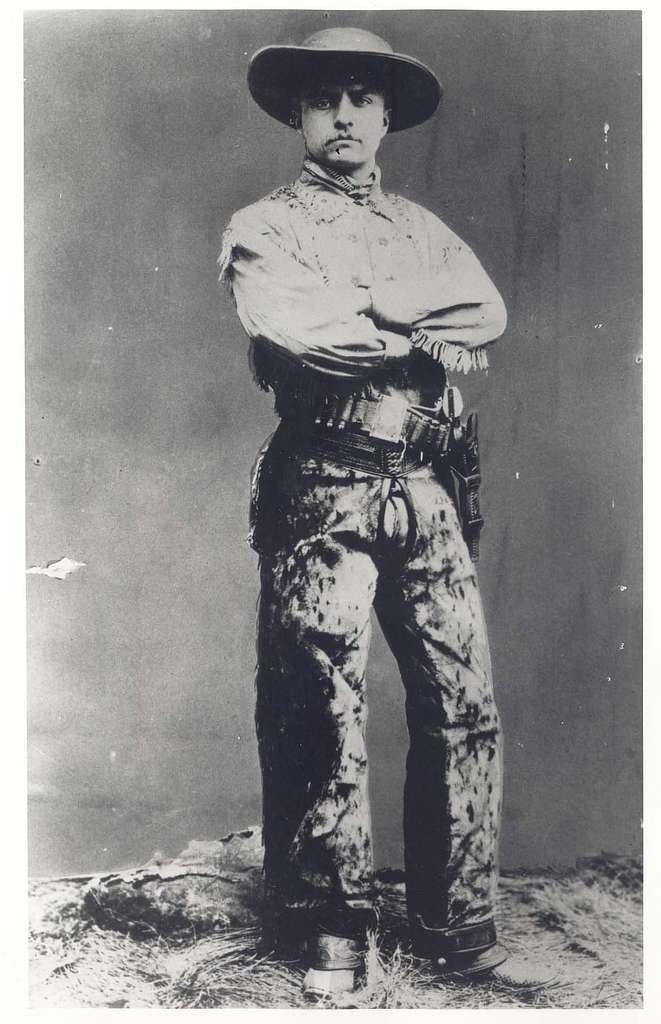
When thieves stole his boat, he organized a multi-day pursuit across open wilderness, caught them, and then marched them at gunpoint over 50 miles to the nearest sheriff — reading a book by campfire each night, because of course he did.
An epic blizzard eventually wiped out most of his cattle. He lost half his fortune. But he didn’t give up.
Back east, he married an old girlfriend, Edith, started a family, wrote several books, and co-founded the Boone and Crockett Club — one of America’s first conservation organizations. He served on the Civil Service Commission, then became Police Commissioner of New York. He was famous for walking the midnight beat himself to catch officers who were supposed to be on patrol but were instead in saloons. (He found a lot of them in saloons.)
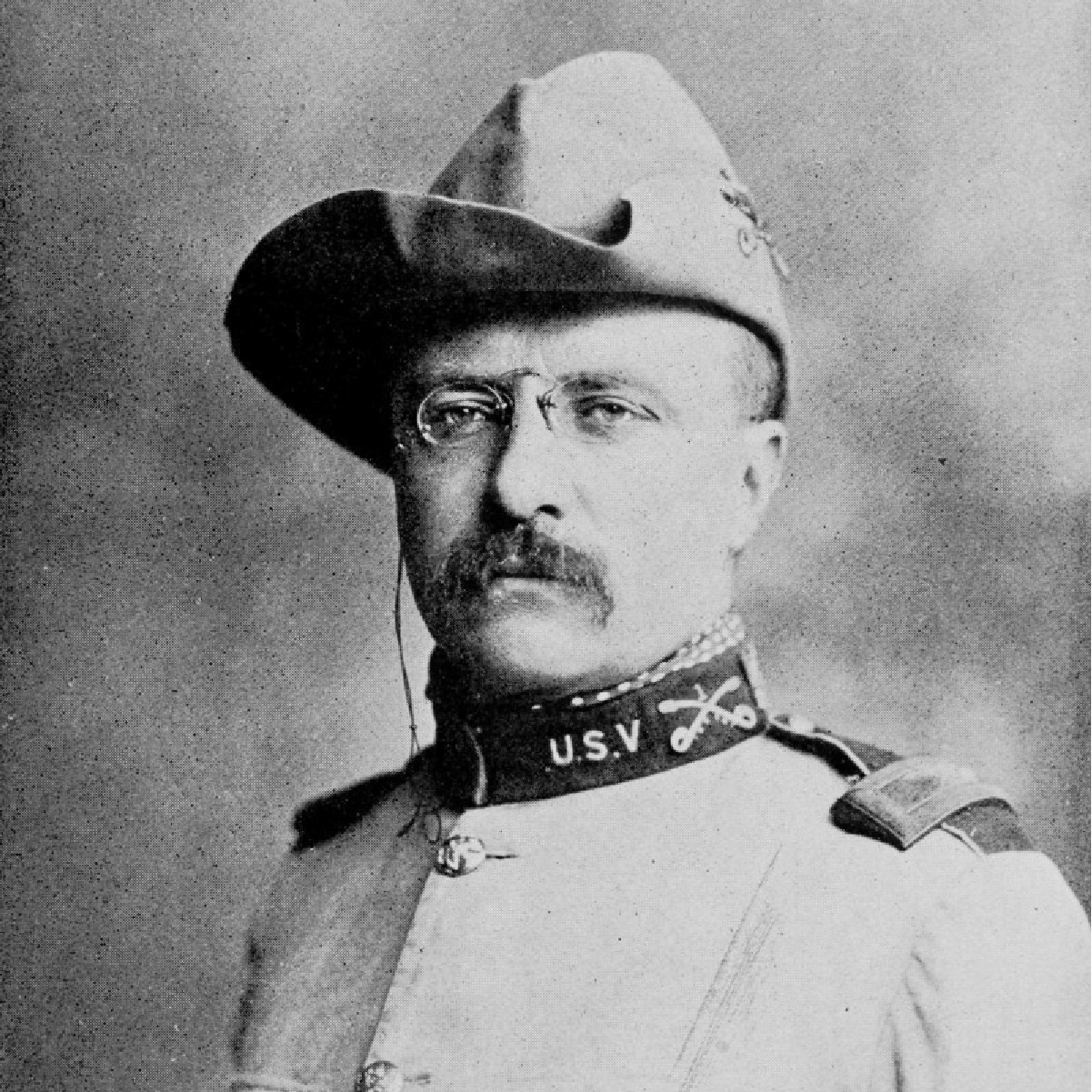
Appointed Assistant Secretary of the Navy in 1897, Roosevelt spent his time building up the fleet in preparation for a war most people didn’t think was coming. When it did — triggered by the explosion of the USS Maine in Havana Harbor — he resigned his desk job, organized the Rough Riders, and charged up San Juan Hill. He came back a national hero.
He got elected Governor of New York, kept aggressively going after the political machine, and was eventually made Vice President by party bosses who figured the VP seat would contain him.
President McKinley was assassinated four months later. Roosevelt became President at 42 — the youngest in American history at the time. That’s where the book ends.
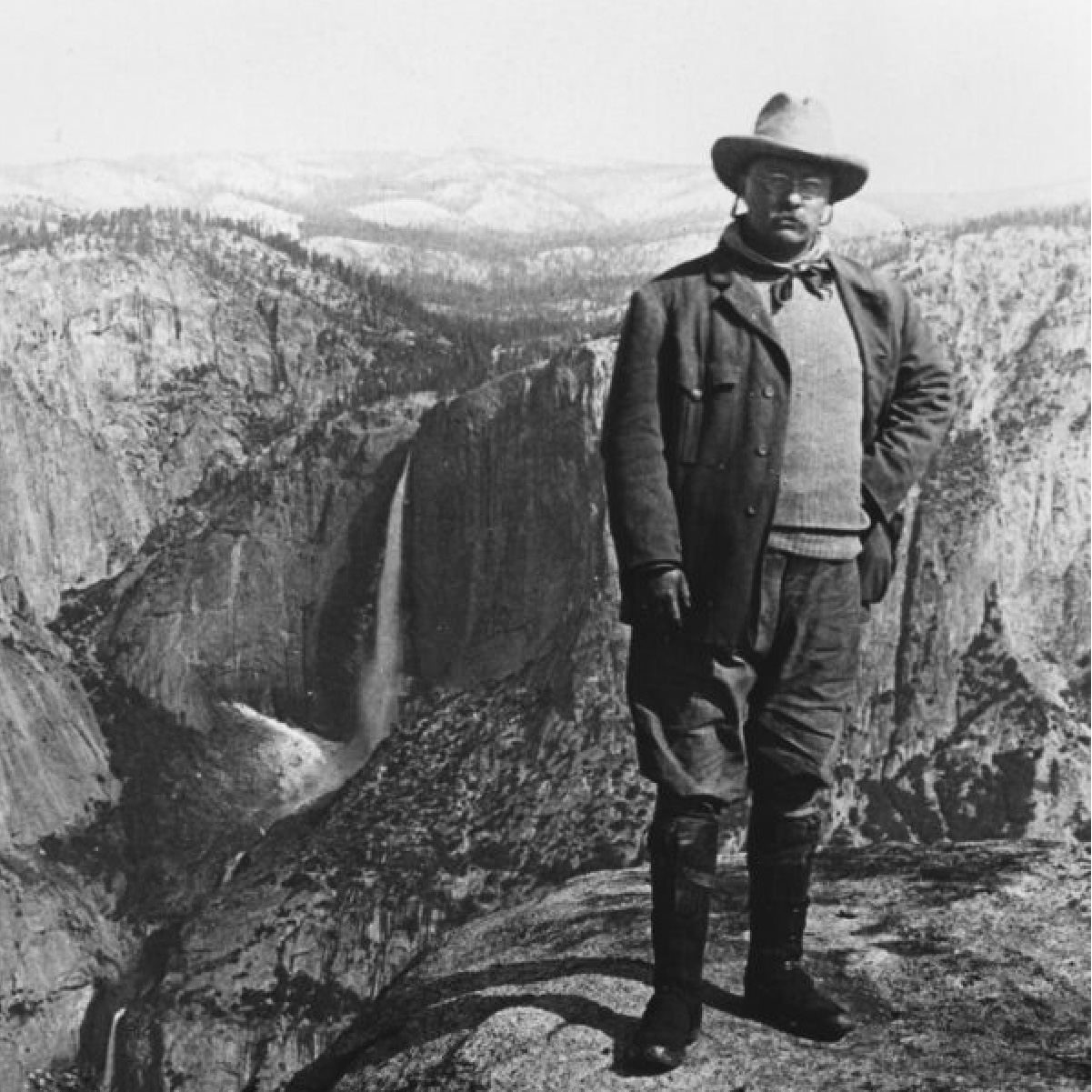
One of TR’s lasting legacies is conservation. He would go on to establish five national parks and was influential in setting the process in motion for establishing others including Grand Canyon National Park. He also created 150 national forests and dozens of wildlife refuges as president. Roosevelt loved the natural world because he’d lived in it. He wanted to protect it so future generations could experience it the same way he did.
We’re not here to pretend Roosevelt got everything right — he was a man of his era, with all the complexity that brings. But as a model for how to live, he’s hard to argue with.
His combination of physical and intellectual discipline was rare. He built his body from scratch while reading thousands of books and writing dozens more. Most people do one or the other.
His brother Elliott is a sobering counterpoint. Same family, same money, same education. Elliott just couldn’t say no to comfort. He became an alcoholic and died young. The contrast between the two brothers is one of the more quietly devastating parts of the book.
And Roosevelt never “arrived.” After the presidency, he was off discovering an unmapped river in the Amazon. The striving wasn’t a strategy — it was just how he lived.
As TR put it himself: “In this life we get nothing saved by effort.”
Go listen to the episode. Then go read the book. Both are worth your time.