
If the idea of “self-defense” immediately makes you think of dramatic fight scenes from your favorite action movie, you’re probably not alone. After all, wild gunfights and heads smashing through walls are pretty cool.
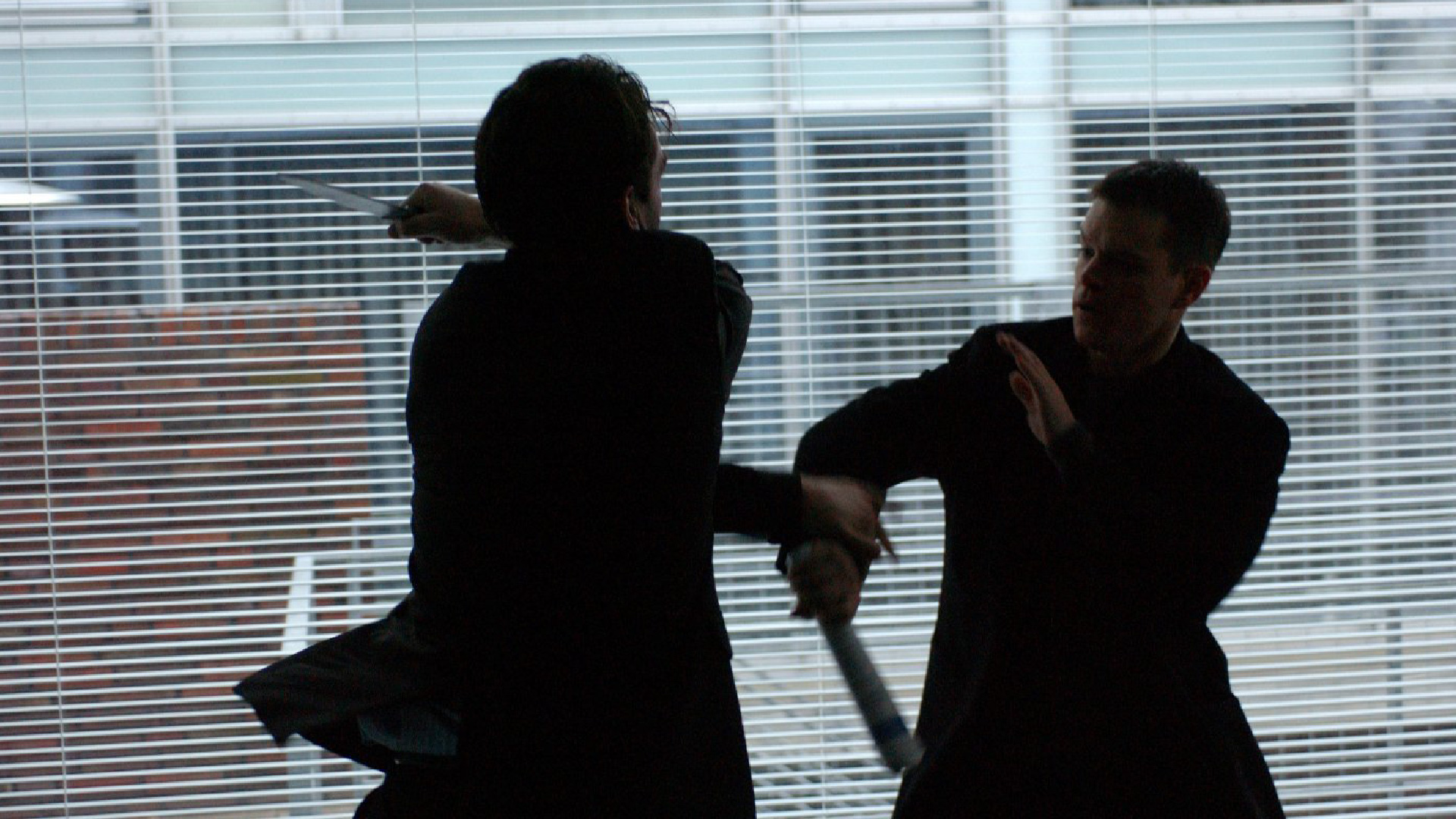
To be honest, that’s probably part of the reason I signed up at a local Krav Maga school a few years back. But any fantasy that I was a natural Jason Bourne was quickly and utterly dispelled by my first experience in a “Ring of Fire”.
I suddenly found myself encircled by fellow classmates as I was assailed by multiple attackers attempting to punch, kick, and strangle me. It is just a drill, and we had protective equipment, but it sure didn’t feel like it. As raw adrenaline surged through my veins, my heart rate skyrocketed, and my brain got fuzzy. All the techniques I thought I knew went out of the window. It was embarrassing and exhausting.
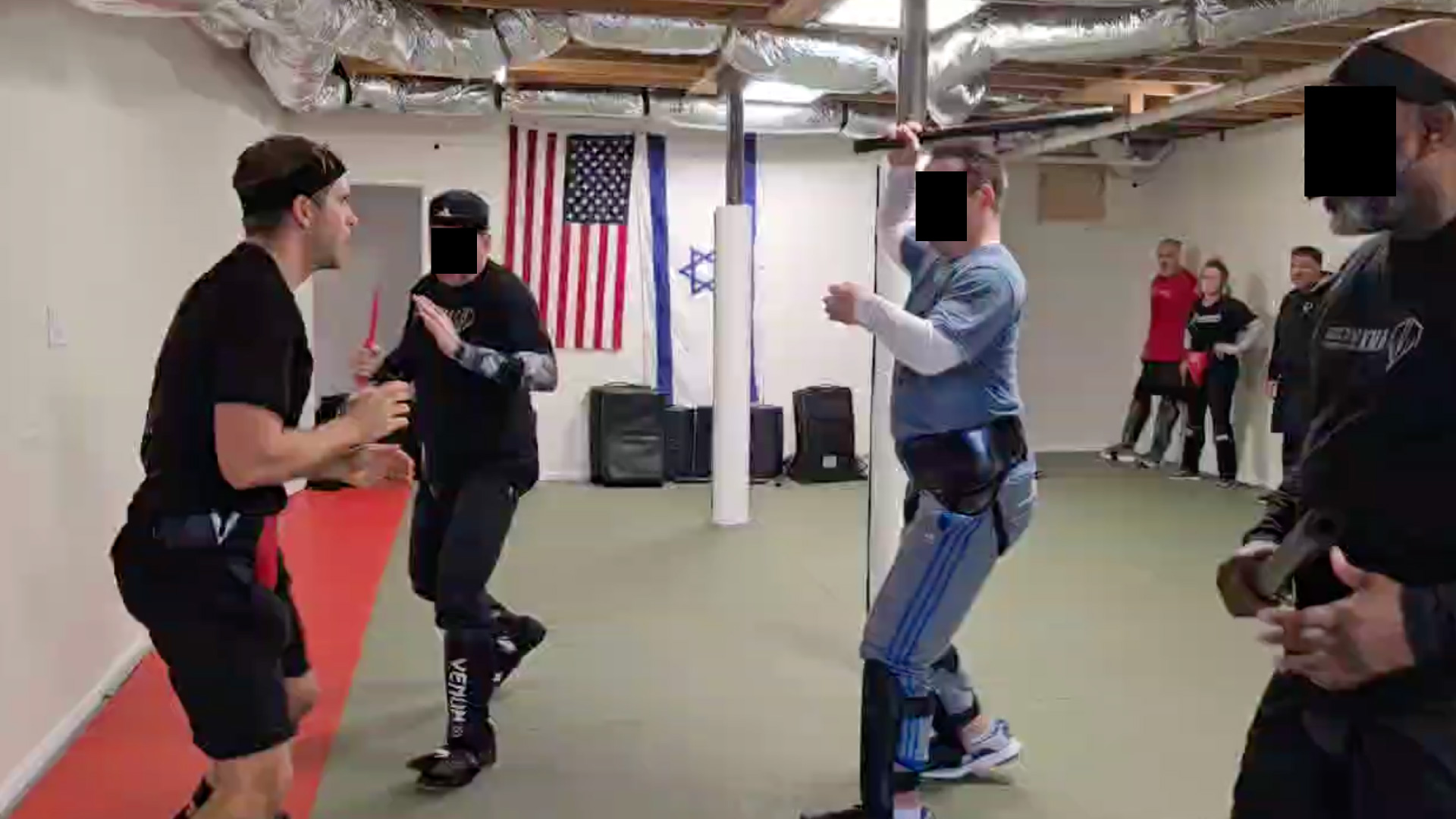
But it was also effective. I learned through that drill, and many others like it, that surviving a crisis requires both physical and mental preparation; that self-defense isn’t just about fighting, it is also about awareness, confidence, and resilience. These are skills that apply to many situations in life, and we want our kids to learn them young.
That’s why for our monthly #MightyChallenge in November, our family participated in a self-defense seminar at a local Krav Maga school. But even beyond the purely practical aspects, we’ve found that practicing these things gives our kids a healthy outlet for aggression, provides great exercise, and helps them get comfortable with things that can be uncomfortable. In this post and the video below, we’ll cover some ideas for how you can introduce self-defense to your kids, too.
When I say you should teach your kids self-defense, what I mean is that you should ensure they are mentally and physically prepared to avoid physical victimization in all contexts. That could include repelling an attacker, but far more likely, it is about recognizing danger that is far more subtle and avoiding it.
And I’m not just talking about obvious bullies. What if your kid is at a friend’s house and an older sibling is a bit cuddly? What if they are playing sports, and another player gets too aggressive in the heat of the moment? Would your kids know how to respond?

The good news is, preparing your kids doesn’t have to be hard. It doesn’t have to involve years of formal martial arts. In fact, it can take place in the context of your normal life and be downright fun. And in the end, your kids will grow physically stronger, more confident, and more resilient – even if they never end up in a self defense situation.
If you predominantly live and work in a “safe” area, all of this can sound over the top. Thousands of kids go to school and the playground every day, and they are fine. Why freak out about something that isn’t going to happen?
I guess I would answer by turning the question around. Why wouldn’t you? It is very much like learning CPR. There’s a good chance you’ll never need to use the information, but if you do, you’ll be happy you know it. As your kids grow up and start dating, going to college, and traveling, are you really sure they will never experience a dangerous situation?
The irony is, the people who are least likely to learn self-defense are the ones who probably need it most. Girls and women, especially. Attackers aren’t stupid. All things being equal, they will pick a target they expect won’t fight back. So prove them wrong!
One of the most important things you can do is teach your kids how to set boundaries. They need to know they can say no – even to adults. They also need to learn what lines other people should not cross. Obviously, this evolves as they mature, but you must have an active and ongoing conversation about it.
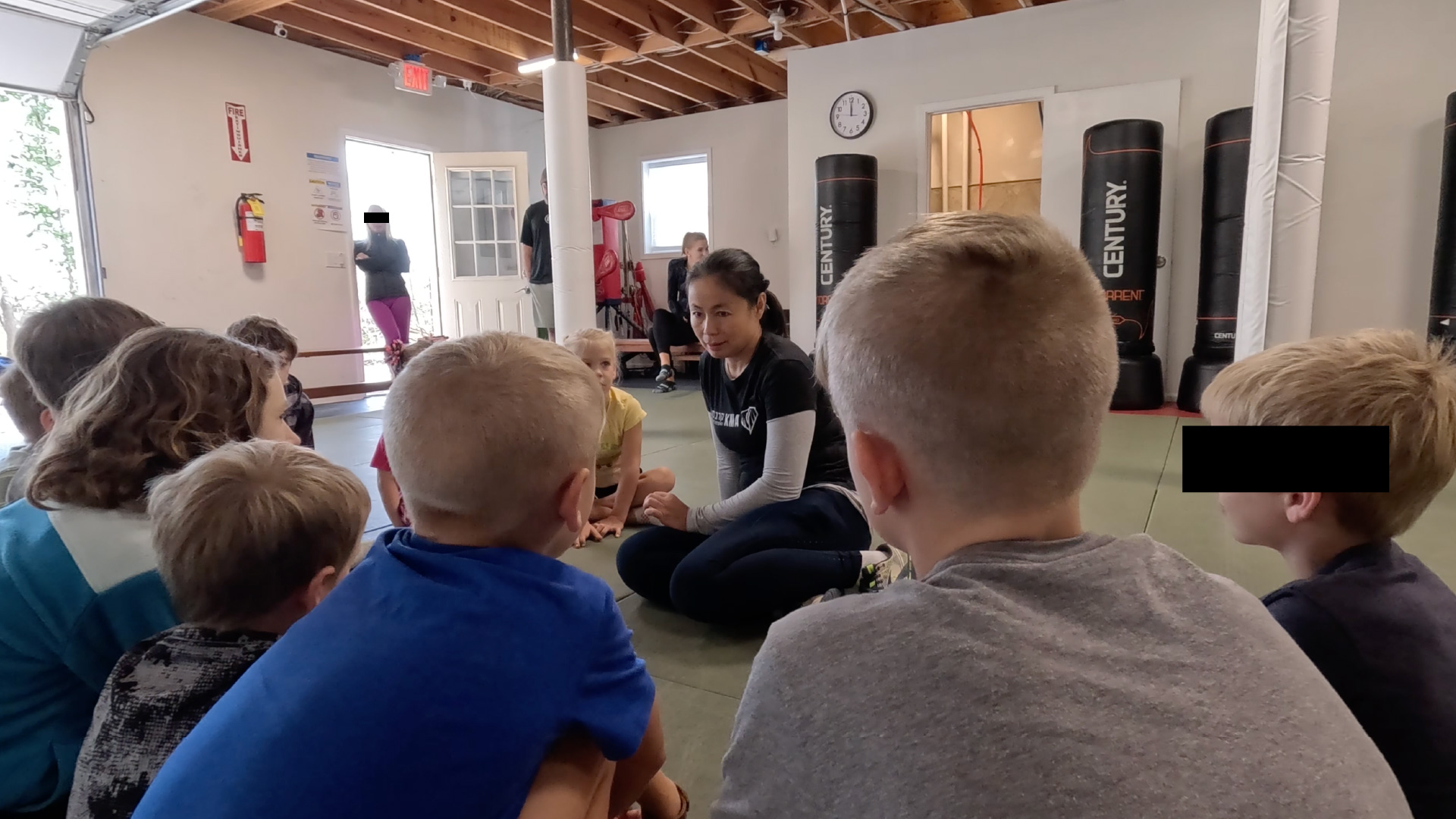
Once boundaries are set, you need to help your kids learn how to respond when someone crosses the line. There is a vast range of potential responses that could be appropriate depending on the circumstances, from “walk away and ask for help” to “fight for your life”.
Discussing scenarios allows your family to build a mental framework for when it is acceptable to use different levels of force. It also helps build recognition of anger-driven responses vs. actual self-defense. But they won’t know unless you talk about it. The importance of this shouldn’t be underestimated. Kids may not defend themselves out of fear of getting in trouble.
Having a clear framework for responding to potential danger is a great place to start, but it isn’t enough to stay at the intellectual level.
Here’s the problem: in an actual “fight or flight” situation, the sympathetic nervous system kicks in and dumps a bunch of adrenaline into our bloodstreams. This is what happened to me in the Ring of Fire. If you’ve ever been in a car accident or similar situation, you’ve probably felt the surge of nervous energy and corresponding decrease in mental clarity.
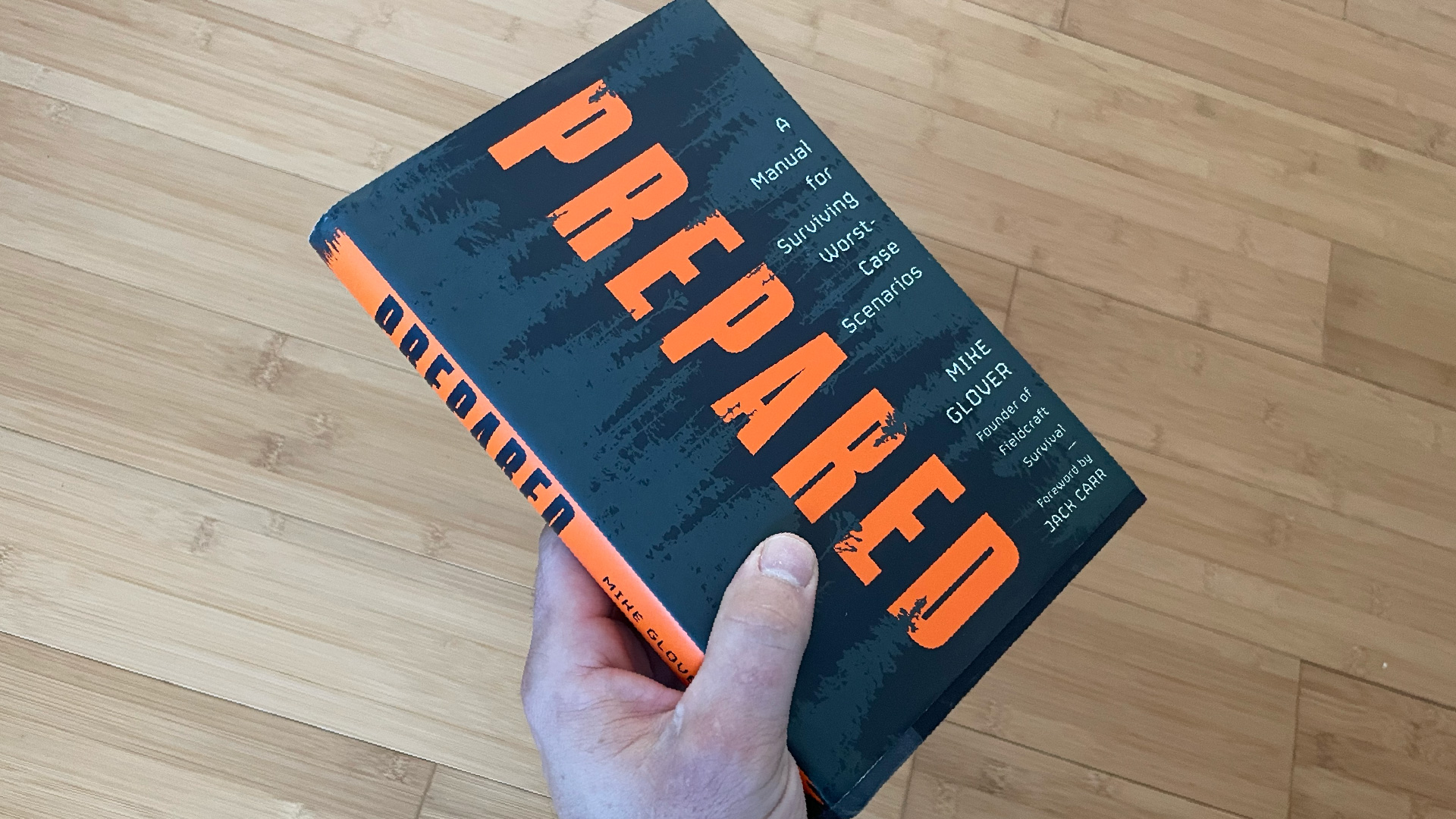
Without any practice dealing with this physiological hit, critical thinking goes out the window, and many people actually freeze up or completely forget what to do. In the book Prepared, former Green Beret Mike Glover delves into this process in greater detail, emphasizing that exposure training is the most effective antidote available. He points out:
“Remember, you won’t rise to the occasion; you will fall to your level of training. Exposure is the key to building a resilient mindset because everyone, and I mean everyone, can freeze under stress… I’ve seen it.... It has happened to me.”
So it isn’t enough to “know” what to do in a crisis. You and your kids need to practice. Then, when something goes down, there is a much higher chance they will respond under stress. And that leads us to the next part: preparing physically.
Now we come to the Jason Bourne part. If you are serious about teaching your kids to enforce their boundaries, then there are times when they may need to use force.
You might be thinking, “Oh great, so I have to enroll the whole family at the local Cobra Kai?” Not necessarily. Learning some basic self-defense techniques can be as simple as attending a few weekend seminars yourself and then passing on relevant skills to your kids through practice at home.
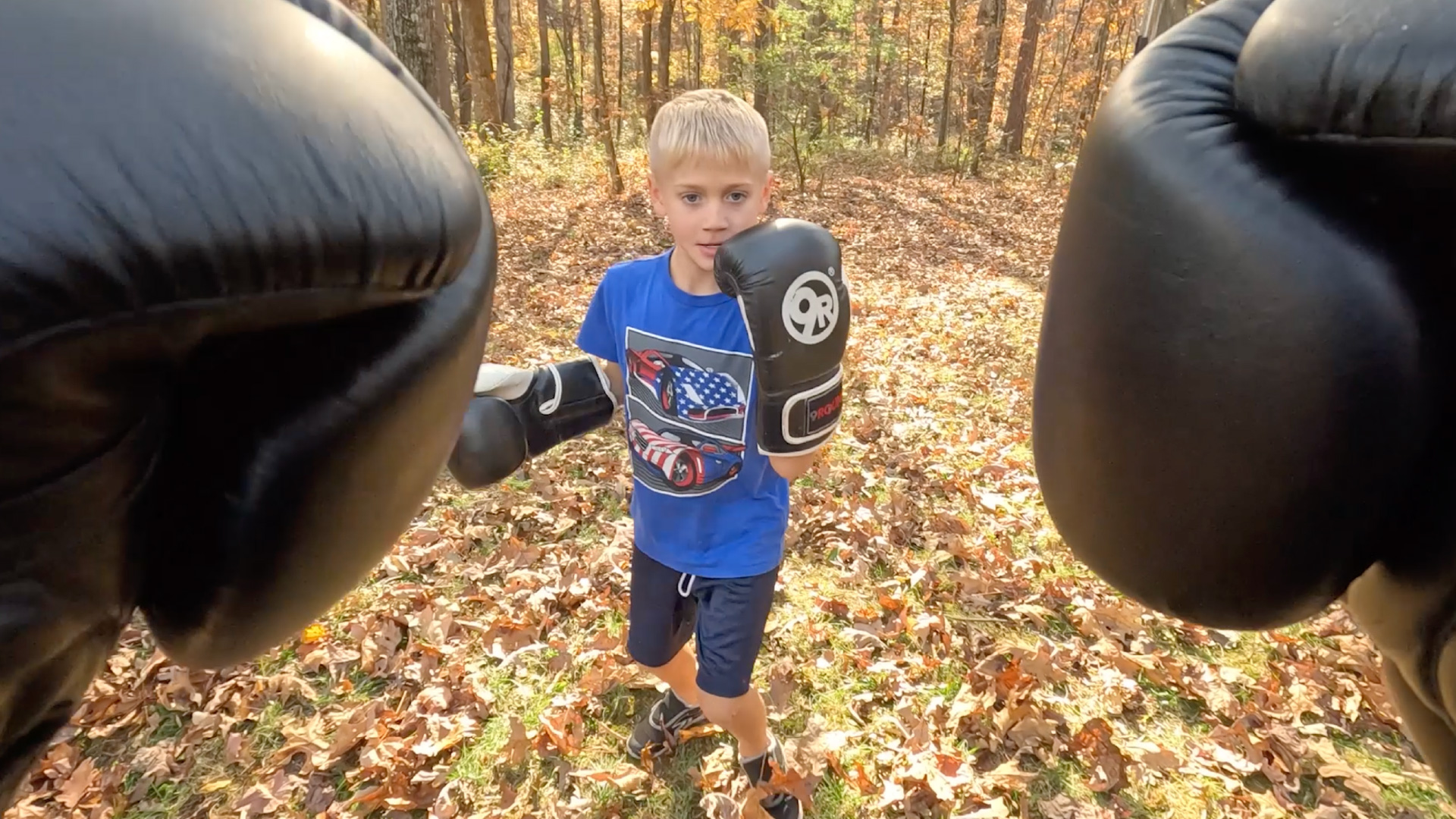
The reality is that most kids younger than ~12 will not be able to defeat an adult. However, with training, they are far more likely to recognize and avoid dangerous situations. If something does happen, they will have the presence of mind to respond in a way that can delay the situation long enough and garner enough attention from bystanders to stay safe.
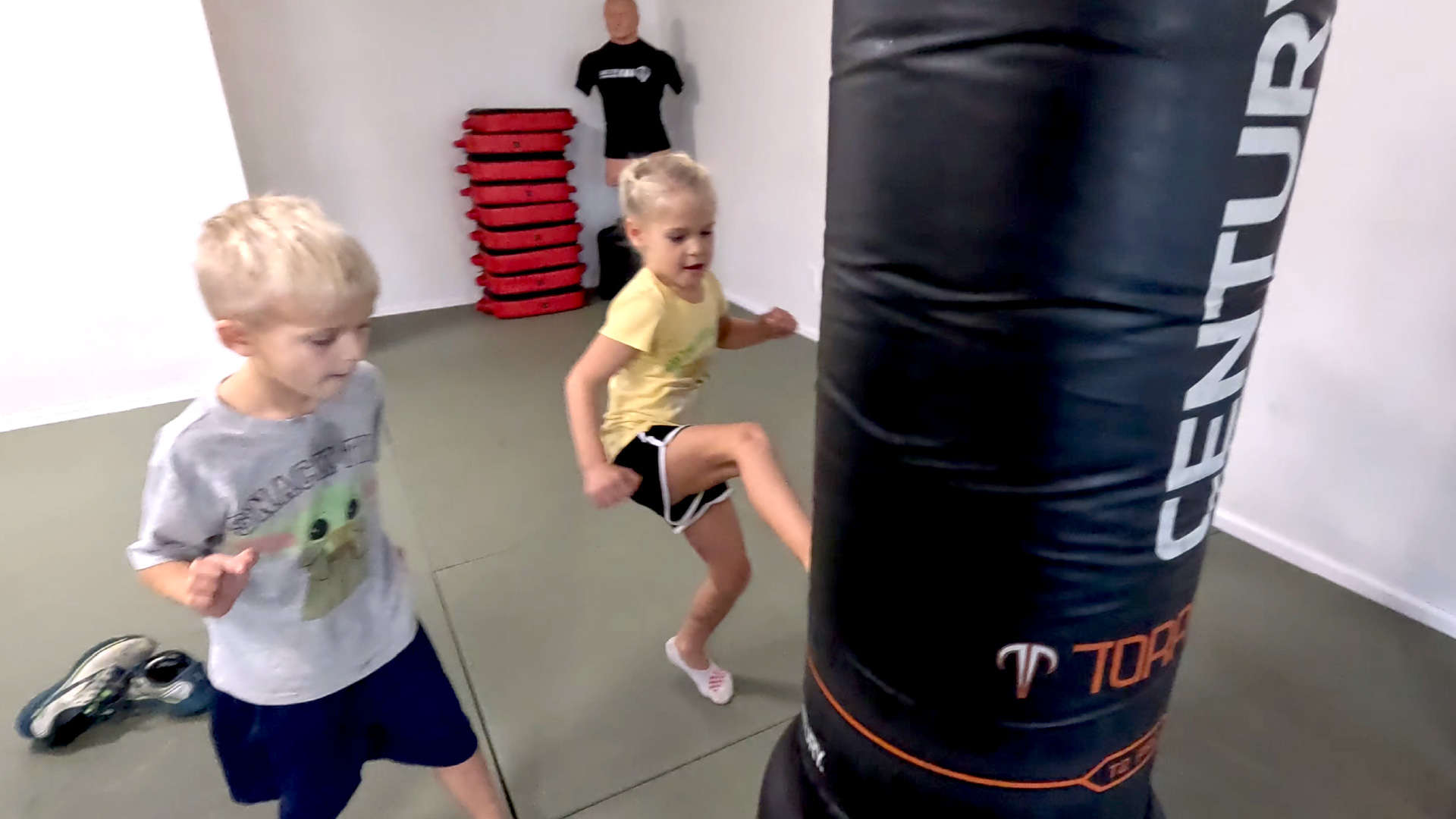
Whatever you end up doing, make sure you think through and practice real-world scenarios. A big part of these drills is building mental resilience. Also, allowing kids to roughhouse can be very beneficial. A few bruises aren’t going to be the end of the world.
Here are some of the things we learned during our recent kid self-defense seminar that will give you an idea of where to start:
From there, we did several drills that gave the kids an opportunity to put all of this together in a realistic but controlled environment. These are all things we can replicate at home.
If you would like to train more regularly, then there are plenty of options to choose from. In our small town, there are multiple taekwondo, jiu jitsu, karate, and MMA schools, as well as the Krav Maga place where I train.
Going into the details of these different disciplines is beyond the scope of this post; however, here are some key points to consider. Every option falls on a spectrum between sport and real-world street fighting. You’ll know it is a sport if there are a lot of rules around scoring points and things you are not allowed to do. You can still learn a lot about physical coordination and techniques from a sport, but realize that much of the time will be spent on things that won’t help in a real confrontation.
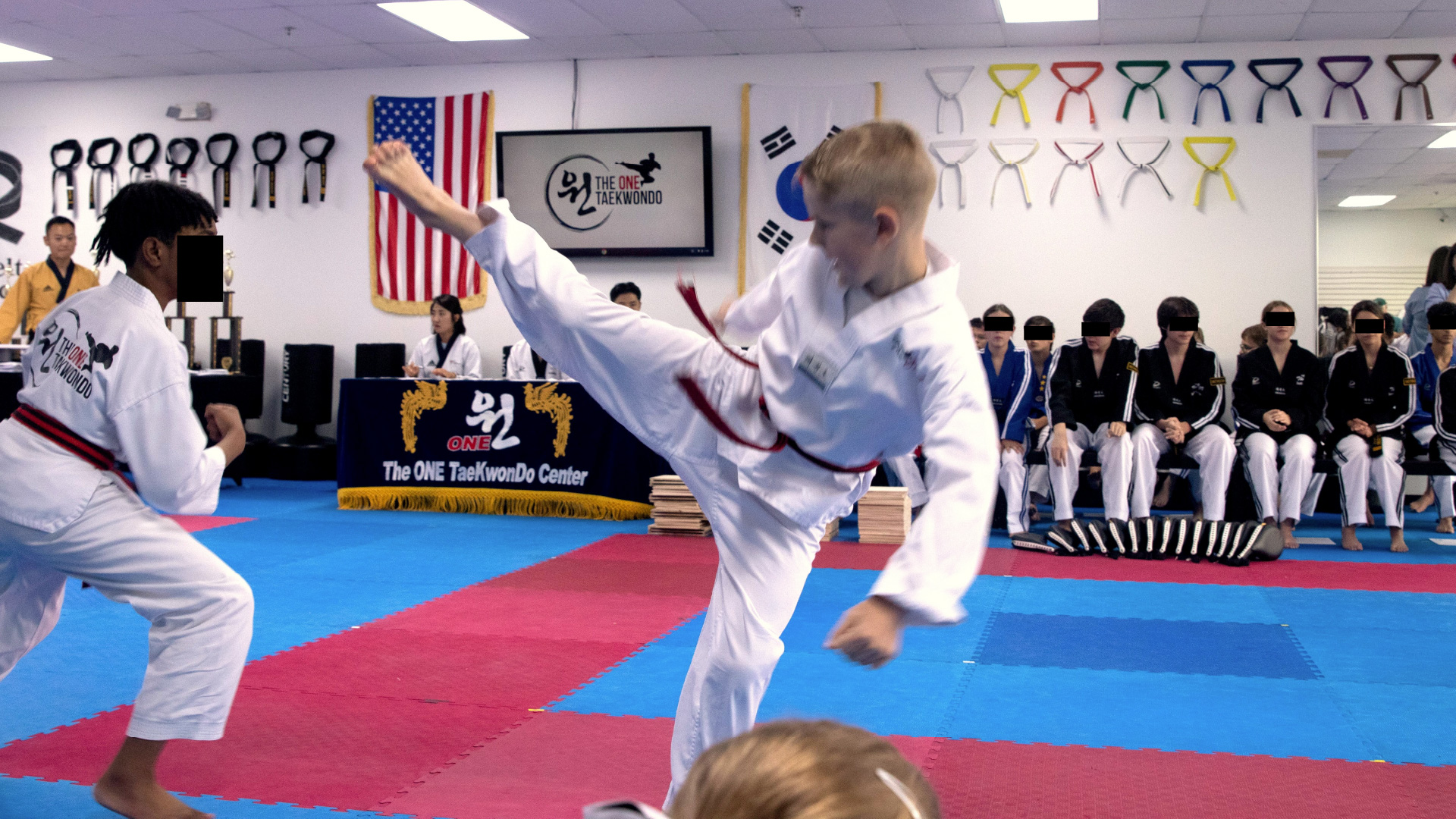
Our oldest son did taekwondo for several years and it was a great experience. He got regular exercise and learned how to kick like crazy, which is a good start. But we need to keep practicing realistic scenarios to make sure he knows what works on the street.
In general, I recommend Krav Maga for practical self-defense. It is a system designed to be simple and effective in real-world situations. Unlike other disciplines, we train specifically to strike vital targets and end fights as quickly as possible.
As you work with your kids to build self defense skills, they will also gain confidence and mental resilience. Even if they go through their entire lives without needing to throw a punch, they will be better off for it.
Best case, you have a good time together. Worst case, it may actually save their lives. So get out there. Have some conversations and beat each other up a bit! Frankly, it’s a lot of fun.